
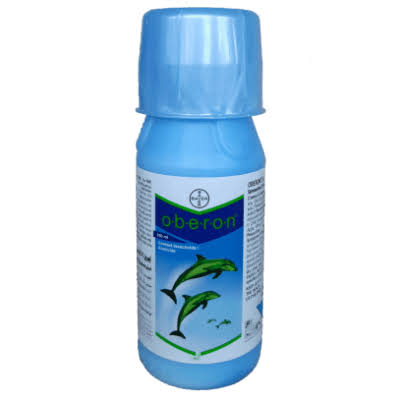
Bayer Oberon Insecticide
Bayer Oberon is a broad-spectrum insecticide designed for effective pest management in various crops. It is particularly known for its efficacy against a wide range of insect pests, making it an essential tool for growers seeking to protect their crops from damage.
Composition:
The active ingredient in Oberon is spiromesifen.
Spiromesifen belongs to the chemical class of tetronic acids. This ingredient works by interfering with the metabolic processes of target pests, particularly by inhibiting lipid synthesis. This unique mode of action makes Oberon effective against pests that have developed resistance to other insecticides.
Benefits:
– Broad-Spectrum Activity: Oberon is effective against a variety of insect pests, including whiteflies, spider mites, thrips, and certain leafhoppers.
– Low Environmental Impact: It is known for its low toxicity to non-target organisms, including beneficial insects, which helps in maintaining ecological balance.
– Flexible Application: Oberon can be used in various crop systems and can be integrated into existing IPM (Integrated Pest Management) programs.
– Effective Residual Activity: The formulation offers lasting protection, minimizing the frequency of applications needed and enhancing overall pest control.
Target Crops:
Oberon can be applied to a range of crops, including but not limited to:
– Vegetables (e.g., tomatoes, cucumbers, peppers)
– Fruits (e.g., strawberries, grapes)
– Ornamentals and flowers
– Some field crops (e.g., corn, soybeans)
Target Insects:
Oberon targets several specific pests, including:
– Spider mites
– Whiteflies
– Thrips
– Aphids
– Leafhoppers
Application and Doses:
The application rate of Oberon may vary depending on the target pest and crop type. Typically, the recommended dosage ranges from 10 to 20 ounces per acre. It is generally applied through ground or aerial equipment, with a focus on thorough coverage. Always refer to the product label for precise application instructions and recommendations tailored to specific crops and pest issues.
FAQs:
1. How does Oberon work against pests?
Oberon acts by inhibiting critical metabolic processes in insects, particularly affecting lipid biosynthesis. This leads to the death of the pests over time.
2. Is Oberon safe for beneficial insects?
Yes, one of the benefits of Oberon is its low toxicity to many beneficial insects, making it a suitable option for integrated pest management.
3. Can Oberon be used in organic farming?
While Oberon has a lower environmental impact compared to many other chemicals, it may not meet all organic certification requirements. Always check local regulations for organic farming practices.
4. How often should I apply Oberon?
The frequency of application will depend on the specific pest problem, environmental conditions, and the crop being treated. Monitor pest populations and follow the label recommendations.
5. What precautions should I take when using Oberon?
Always wear protective clothing and follow all safety guidelines outlined on the product label. Ensure good ventilation when applying in enclosed spaces.
By utilizing Bayer Oberon, growers can effectively manage pest populations while minimizing harm to beneficial organisms and the environment. Always consult the product label and your local agricultural extension service for tailored advice and recommendations.
Reviews
There are no reviews yet.