
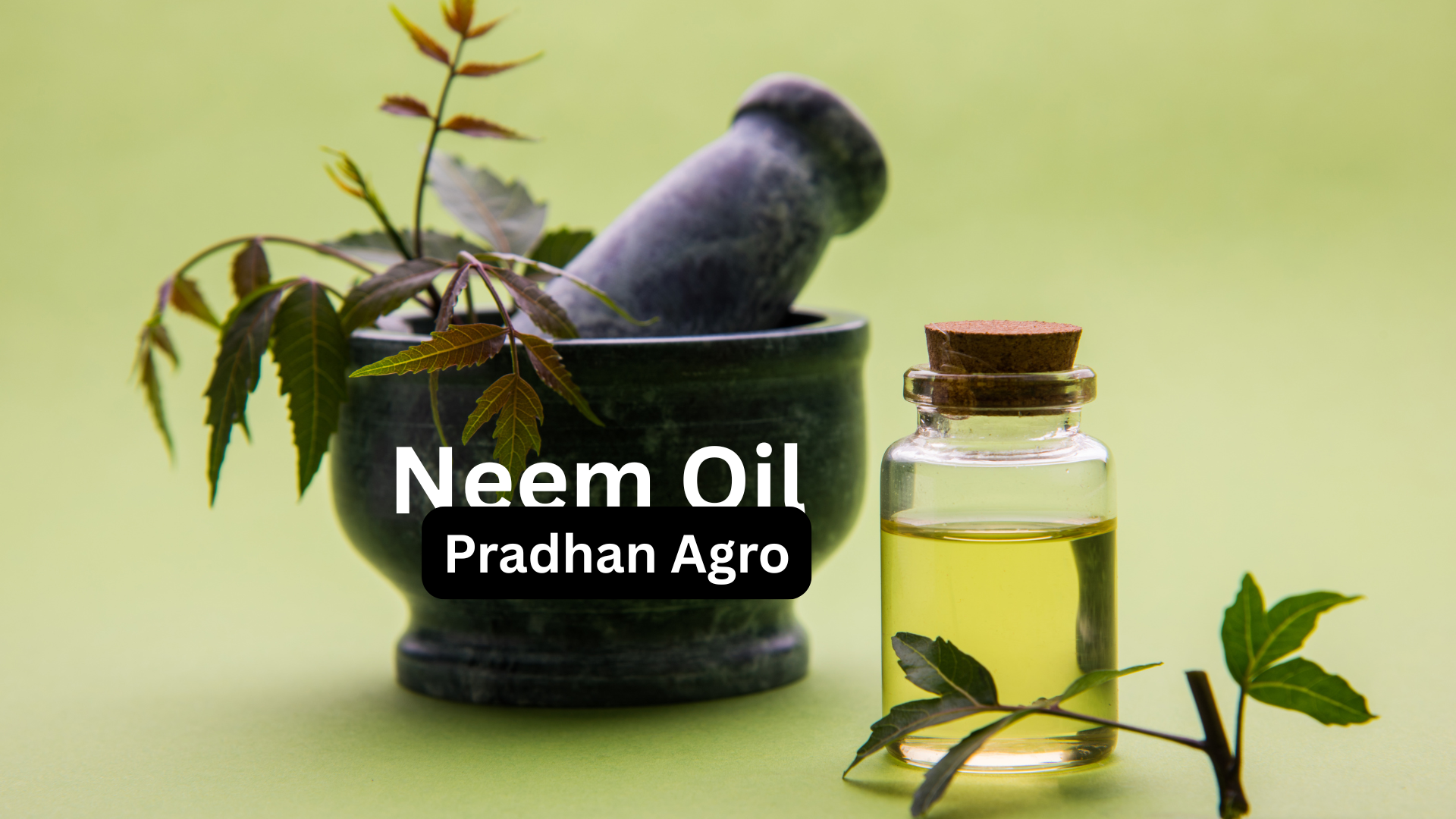
Neem Oil: Solution for Organic Farming
As the world increasingly turns to sustainable practices, neem oil has emerged as a leading player in organic farming. Extracted from the seeds of the Neem tree (Azadirachta indica), this natural oil serves as a potent bioinsecticide, offering an impressive array of benefits for both crops and the environment. Let’s delve into the advantages of neem oil, its recommended dosages, and its vital role in organic farming
Benefits of Neem Oil:
1. Natural Pest Control:
One of the most celebrated properties of neem oil is its ability to deter a wide variety of pests, including aphids, whiteflies, spider mites, and even some fungal pathogens. The active compound in neem oil, azadirachtin, disrupts the growth and reproductive cycles of these insects, effectively controlling their populations without harming beneficial insects when used appropriately.
2. Non-Toxic and Safe:
Unlike conventional pesticides, which can pose risks to human health and non-target species, neem oil is considered safe for humans, pets, and wildlife. This makes it an excellent choice for those practising organic farming or gardening, as it helps ensure food safety and environmental health.
3. Fungal Disease Management:
Neem oil can also combat certain fungal diseases, such as powdery mildew and root rot. Its antifungal properties help maintain plant health and improve crop yield, reducing the need for synthetic chemicals.
4. Soil Health:
The application of neem oil can enhance soil microbiota, promoting healthier soil ecosystems. A thriving microbial community is essential for nutrient absorption and overall plant health.
5. Multi-Purpose:
Beyond pest control, neem oil acts as a natural moisturiser for plants, providing hydration and helping to seal in moisture, thus promoting robust growth.
Recommended Dosages:
The effectiveness of neem oil depends on proper application. Here’s a general guideline for dosage:
For Pest Control:
Mix 1-2% neem oil solution. This translates to approximately 2-4 tablespoons of neem oil per gallon of water. Ensure thorough mixing and add a few drops of mild liquid soap to help emulsify the mixture.
For Fungal Issues:
Use the same concentration (1-2%) for treating fungal infections. Apply every 7-14 days as necessary, depending on the severity of the infestation or infection.
For Soil Application:
Dilute neem oil to about 1% (1-2 tablespoons per gallon) and drench the soil to introduce its benefits directly to the root zone.
Always conduct a patch test on a small area of the leaf to assess sensitivity before widespread application.
Role of Neem Oil in Organic Farming:
Neem oil is a cornerstone of organic farming practices due to its low toxicity and effectiveness against pests and diseases. Its ability to disrupt pest life cycles reduces reliance on synthetic chemical pesticides, contributing to sustainable agricultural practices. Furthermore, neem oil promotes biodiversity by protecting beneficial insects and maintaining soil health. This not only improves crop yields but also enhances the ecosystem’s resilience against pest outbreaks and diseases.
Best Neem Oil (10,000 PPM) in the Market
You can buy neem oil at the local market for the lowest price. However, you can also search for it on online marketplaces like PradhanAgro.co.in.
- Trishool Neem Oil (10,000 PPM). Click Here to Buy it online
- Neemazal TS (10,000 PPM). Click Here to Buy it Online
FAQs about Neem Oil:
1. Is neem oil safe for pets?
- Yes, neem oil is generally safe for pets when used appropriately. However, it’s recommended to keep pets away from treated plants until the oil has dried.
2. Can neem oil be used during flowering?
- It’s best to avoid using neem oil during the flowering stage as it might affect pollinators. If necessary, apply late in the evening or early in the morning, when pollinators are less active.
3. How often should I apply neem oil?
- For active infestations, apply every 7-14 days until the pest problem is resolved. For maintenance, a monthly application during the growing season is often sufficient.
4. Can neem oil be mixed with other pesticides?
- Caution should be taken when mixing neem oil with other pesticides. Some combinations might reduce efficacy. Always conduct a small test and consult product guidelines.
5. How should neem oil be stored?
- Store neem oil in a cool, dark place, away from direct sunlight, to maintain its efficacy. Properly sealed, it can remain effective for up to a year.
Conclusion
Neem oil is an invaluable asset in the organic farming toolkit. Its multifaceted benefits, combined with its safety profile, make it a favoured choice among environmentally conscious farmers and gardeners. By leveraging this natural resource, we can advance sustainable agricultural practices for a healthier planet. Whether you are combating pests, managing fungal diseases, or nurturing soil health, neem oil is here to help your crops thrive.