

Description
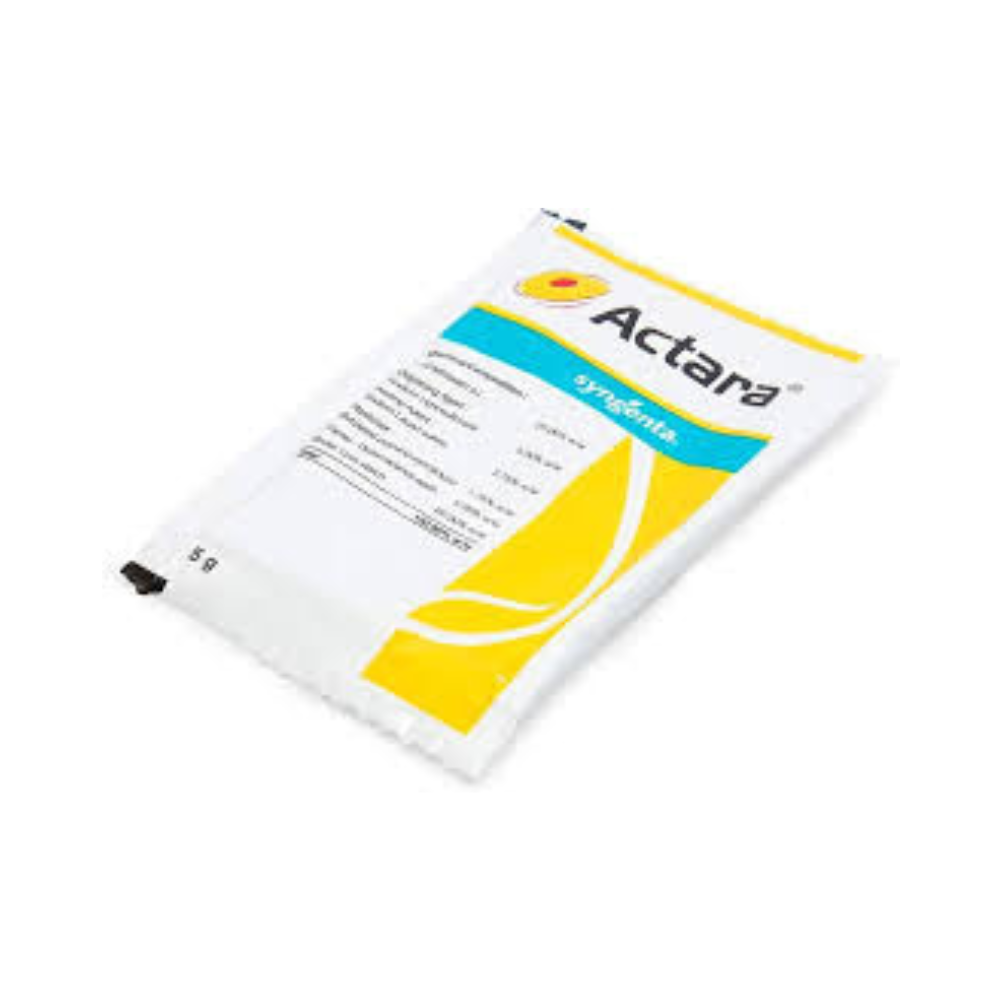
Actara Insecticide
Actara is a systemic insecticide that is widely used in agriculture to control a wide range of pests. It is particularly effective against sucking insects and some chewing insects, making it a popular choice among farmers.
Composition
- Thiamethoxam 25% WG
The active ingredient in Actara is thiamethoxam, which is a neonicotinoid insecticide. This systemic compound works by affecting the nervous system of insects, leading to paralysis and ultimately death.
Thiamethoxam is known for its effectiveness at very low concentrations, providing an efficient means of pest control.
Benefits:
1. Systemic Action: Actara is absorbed by the plant and translocated throughout its tissues, ensuring that pests that feed on the plant tissues are effectively targeted.
2. Wide Spectrum of Activity: It controls a variety of pests, including aphids, whiteflies, leafhoppers, and certain beetles.
3. Long Residual Activity: Actara provides prolonged protection from insect infestations, reducing the need for frequent applications.
4. Compatibility: It can be used in conjunction with many other agricultural practices and is compatible with various integrated pest management (IPM) strategies.
5. User-Friendly: The formulation of Actara allows for easy application, whether through foliar spray or soil application.
Recommended Insects:
Actara is effective against a range of insects, especially working for sucking pests including:
- Aphids
- Whiteflies
- Leafhoppers
- Thrips
- Mealybugs
- Japanese beetle larvae
Recommended Crops:
Actara is suitable for a variety of crops, including but not limited to:
- Fruits (such as tomatoes, cucumbers, and berries)
- Vegetables
- Ornamental plants
- Field crops (like corn and soybeans)
- Nuts
FAQs:
1. How is Actara applied?
Actara can be applied through foliar sprays. The method of application may depend on the target pest and the crop being treated.
2. Is Actara safe for beneficial insects?
While Actara is primarily targeted at harmful pests, it can affect beneficial insects if they come into contact with the product. It’s advisable to apply it during times when beneficial insects are less active to minimise impact.
3. How often can I apply Actara?
The frequency of application depends on the specific crop and pest pressure. However, it’s crucial to follow the recommendations on the product label to prevent resistance development.
4. What precautions should I take when using Actara?
Always wear protective clothing, including gloves and masks, when handling the product. Avoid application during windy conditions and follow local regulations regarding pesticide use.
5. Can Actara be used in organic farming?
No, Actara is a synthetic insecticide and is not approved for use in organic farming. It is important to check for organic alternatives if you are practising organic agriculture.
In summary, Actara is a highly effective insecticide that offers a strong solution for pest control in a variety of crops, thanks to its systemic action and long-lasting effects. Always ensure you follow best practices for safety and environmental protection when using any pesticide.